Estimate vs. Bid: The Two-Word Mistake That Costs Homeowners Thousands
An estimate isn't a promise. A bid is. If you don't know which one you're holding when you sign, you've already given away your best leverage.
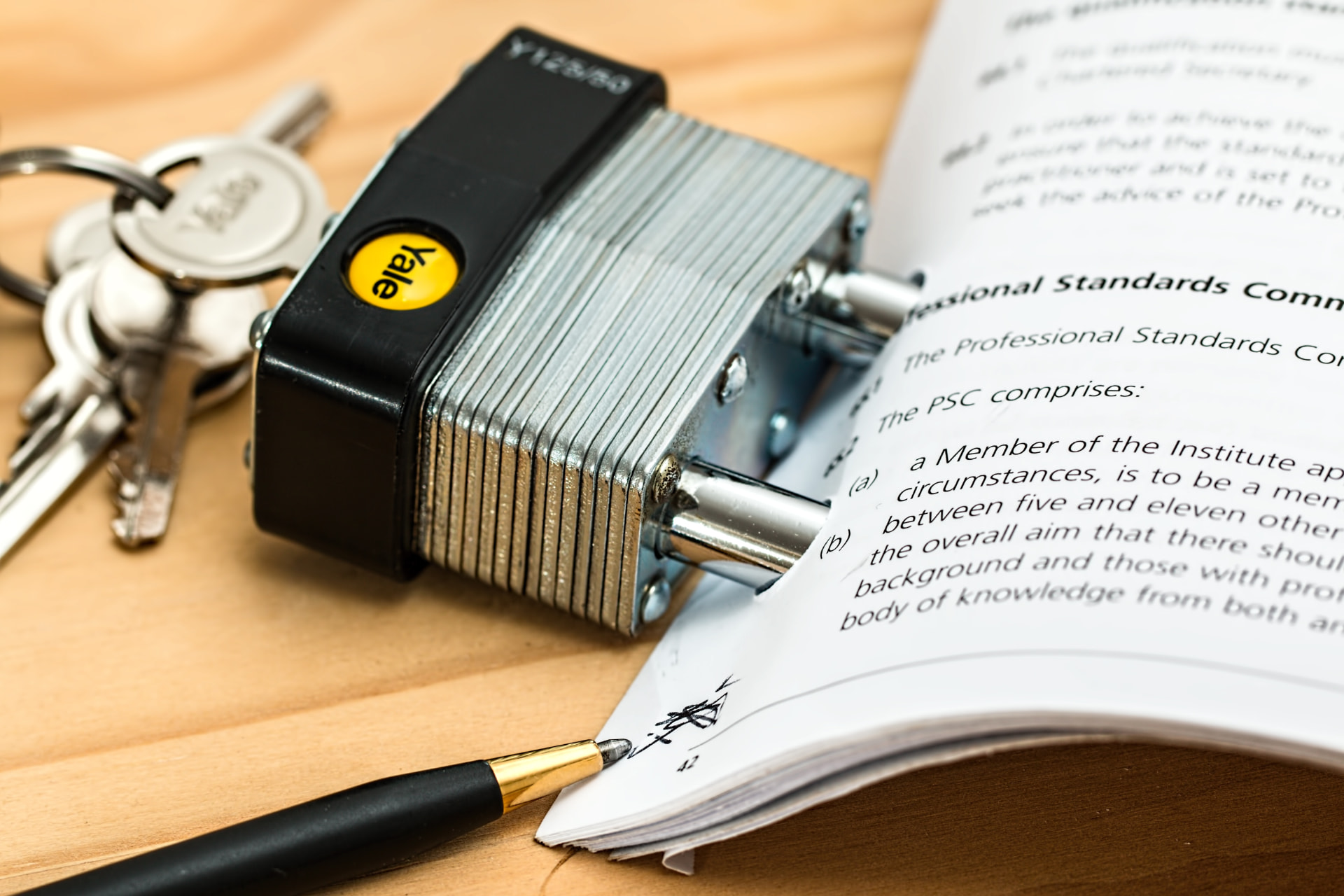
After our remodeling experience, this was THE first thing that I swore I’d never do again: never settle on an estimate. Get a bid. I didn’t, and when the invoices started coming in I had nothing to compare. Monies got moved as materials came in more expensive than what was expected…again, nothing to check against. Before I knew it my contractor said “You’re out of money. We’re done.” And I had to move my family into 65% of a house.
Like most of us, we’re not pro’s. We’re getting ready for our first real home renovation project, you've probably thought of or even used “estimate” and “bid” like they're the same word. No one wants to spoil the honeymoon stage or delay the dream over the minutia. On the darker side — the confusion works in their favor.
It's not a small semantic thing, either. It's the difference between a suggestion and a number that's a commitment. If you don't know which one you're holding when you sign a contract, you've already given away your best piece of leverage before the job even starts.
What's the actual difference?
Estimate = a direction, not a number.
- It tells you roughly where a project is headed — “probably somewhere around $40,000” — based on limited information and a lot of assumptions.
- It's not a ceiling or a spending cap.
- It's not a commitment.
It's a contractor's best guess before they've actually opened up your walls, checked your wiring, or measured anything twice. A bid is different.
Bid = a financial parameter. Boundaries. Limits.
- It's the number that becomes the basis of the contract.
- It’s fixed to a specific, defined scope of work. (We’ll learn about this later)
- It is meant to hold even if the job turns out to be messier than expected.
Construction industry sources, legal-focused small business guides, and contractor-facing publications all agree on the same binding/non-binding split between the two terms.
How this costs homeowners thousands
ONLY 35% of homeowners stayed on budget in 2025.
Here's the mechanism, and it's super simple: an estimate gives every unexpected condition a built-in excuse to charge more. Not because the contractor is necessarily dishonest, but the number was never designed to hold in the first place.
Here’s how it plays out. You get a $40,000 estimate for a kitchen remodel. Demo starts, and there's water damage behind the cabinets nobody could see (add $6,000). The electrical isn't up to code (another $4,000). The plumbing rough-in has to move because of a load-bearing wall nobody flagged ($5,000 more). Material costs went up since the estimate was written ($3,000). By the time you're done, you're at $58,000–$60,000, and every single increase has a plausible explanation attached to it.
None of those explanations are necessarily lies. That's what makes this so effective and so hard to argue with after the fact. If I were a busy contractor I wouldn’t want to get locked into a spending limit. Shit happens. It is a starting point that was always going to move, and you won’t find that out until you were already three walls into demo…and contracted to finish.
A bid closes off most of that path. If the scope was defined up front — including a site visit, not just a phone call — most of those “surprises” either get priced in before you sign, or they become a formal, written change order that you have to approve. The conversation moves from “here's why it costs more” to “here's the paperwork proving why it costs more,” and that shift alone changes contractor behavior (in a good way!)
What makes a bid legally binding that an estimate doesn't
The word at the top of the page doesn't actually matter as much as people think. Courts and contract law don't care whether a document says “Bid” or “Estimate” in bold at the top. What matters is what's actually inside it. A contractor could hand you something titled “Estimate” that's specific and firm enough to function as a binding offer, and hand someone else something titled “Bid” that's vague enough to mean nothing.
What actually creates a binding number:
So asking for “a bid” by name is a good start, but the word on the page doesn't do the work by itself. What makes it real (more precisely, defensible) is whether it actually has all four of the following things in it.
- Definiteness. Exact scope, exact materials, exact price — not “approximately” or “subject to change based on what we find.”
- An offer. A bid is treated in contract law as a formal offer to do specific work for a specific price.
- Acceptance. Once you accept that offer — sign it, or in some cases pay a deposit against it — it becomes a binding agreement. An estimate isn't structured to be “accepted” in that sense; it's a starting point for negotiation, not an offer waiting for a signature.
- An expiration date. Real bids are almost always valid only until a stated date. That detail alone often tells you which document you're actually holding.
The document that governs everything, in the end, is whatever you sign as the contract — so read that closely regardless of what the paperwork leading up to it was called. And state rules on estimates and required disclosures vary, so if you're staring at a document that seems to blur the line, that's a five-minute question for a local attorney or your state's contractor licensing board, not something to guess your way through.
When to ask for a bid (and not an estimate)
Ask for an estimate when you're still in the early, figuring-things-out phase.
- Comparing contractors in general.
- Checking whether a project is even in your budget range.
- Working with a scope that isn't fully defined yet.
Ask for a bid the moment you're ready to commit real money to a real, defined scope. That means:
- You know the materials.
- You know the finishes.
- You've had a real site visit (not a phone estimate).
- You're prepared to sign a contract based on this number.
If you're comparing multiple contractors seriously, a bid is the only format that lets you compare them apples-to-apples — as long as you send every contractor the exact same defined scope.
How to actually ask for a bid
Don't leave this to a contractor's discretion. Say it directly:
“I need a bid, not an estimate. I need a number you'll commit to.”
Then back that up with how you request it:
- Ask for line-item pricing, not a lump sum. A single number tells you nothing about where the money's going or what happens if one piece of the scope changes. A line-item breakdown — labor, materials, permits, contingency. This is what lets you compare and evaluate instead of just trusting it.
- Send the identical scope to three or more contractors. Use the same written scope, the same materials list, the same specs, to everyone without the price (of course!) What you don’t want are three different verbal walkthroughs where each contractor interprets the job slightly differently.
- Require written responses only. A verbal “yeah, that'll probably run you about $45K” is not a bid, no matter how confident it sounds standing in your kitchen. If it's not written down, it doesn't exist when the invoice comes in higher.
What it means if a contractor won't give you one
There's a legitimate reason for this and a red-flag laden reason. It's worth knowing the difference before you assume the worst.
The legitimate exception: genuine time-and-materials work, where the scope truly can't be defined up front — emergency repairs, or projects where nobody will know what's actually wrong until the work is underway (typical of remodels). In that case, a contractor refusing to commit to a fixed number isn't dodging you; they're being honest about real uncertainty. What you should get instead is a “not-to-exceed” cap, clear hourly/material rates, and a commitment to notify you before costs jump. Ask for clear examples of what could surprise everyone.
The actual red flag: a contractor who has seen your defined scope, has all the information they need, and still won't commit to any number at all — just keeps circling back to “we'll figure it out as we go.” That's not caution. That's a contractor keeping every future overage explainable, before the job has even started. Here’s a free downloadable “How To Interview A Contractor” checklist, red flags included!
Quick reference
| Ask for | A written bid, tied to a defined scope, with a stated expiration date |
| Require | Line-item pricing, identical scope sent to 3+ contractors, written responses only |
| Avoid | Verbal quotes, lump-sum-only numbers, and any contractor who won't commit to a number once scope is defined |
Before you send that first request
Most of this comes down to what you put in front of a contractor before you ever ask for a price. A defined, written scope is what turns a squishy estimate into a bid you can actually hold someone to.
Grab the 16 Things “Bid Request Template” and send that instead of a phone call. It's built to get your scope in writing before the first number ever comes back.
Sources:
- The 16 Things
- 2026 U.S. Houzz and Home Study: Renovation Trends
- Construction Estimate vs. Proposal vs. Contract
- Are Estimates Legally Binding?
- Is an Estimate Legally Binding?
- Construction Bid Versus Estimate
- Getting an Estimate, Quote, or Bid
- Quote vs. Estimate
- Is an Estimate a Contract?
- Estimate vs. Bid